


Blog
Why Virtual-First HS Care Works
HS is one of the conditions best suited to virtual care. Here’s the evidence behind Tono’s purpose-built HS platform — 20,000+ patients, 30,000+ encounters, and outcomes research underway.

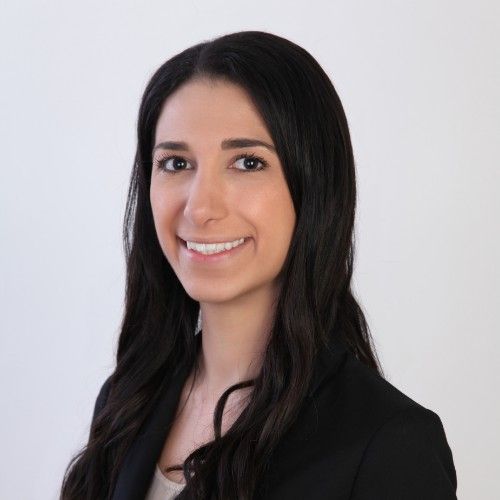
Mondana Ghias, MD
Dr. Mondana Ghias is a board-certified dermatologist specializing in hidradenitis suppurativa, oncodermatology, and biologic therapy, with faculty appointments at Mount Sinai, Astera Cancer Center, and Atlantic Health System. She is Co-Founder and Chief Medical Officer of Tono Health, where she is building the clinical infrastructure to bring subspecialty dermatology to every patient who needs it.
If you live with hidradenitis suppurativa, you’ve probably wondered whether a video visit can really replace sitting in a specialist’s office. It’s a fair question, and it deserves a real answer, not a marketing line.
A platform purpose-built for HS — not a general telehealth app
Most telehealth platforms are built to handle everything, which means they’re optimized for nothing. Tono was built around one problem: getting patients with complex, chronic skin disease — starting with HS — to the right specialist, fast, and keeping them in continuous care. That shapes everything: how visits are structured, how flares are documented between appointments, how biologic therapies are started and monitored, and how quickly you can reach your care team when something changes.
The scale: 20,000+ patients
Tono specialists have treated more than 20,000 unique patients across 33 states. That volume matters for one reason: pattern recognition. HS is routinely misdiagnosed for years, the average patient waits 7+ years and sees 3+ doctors before getting the right diagnosis. A care team that manages HS every single day doesn’t need those years.
Do the outcomes hold up?
This is the question that matters most. Our internal outcomes analysis suggests that patients treated virtually on Tono’s platform achieve outcomes comparable to in-person care at academic medical centers. That research is currently being prepared for publication in the peer-reviewed medical literature, and we’ll link the published study here the moment it’s released.
Why HS is especially suited to virtual care
HS management is primarily medical, not procedural: diagnosis, staging, medication management, biologic therapy, flare planning, and coordination with surgeons when needed. Between flares, what patients need most is fast access and continuity, the two things a clinic waiting room is worst at. Virtual-first care means appointments in days instead of months, follow-ups that actually happen, and specialists available regardless of your zip code.
Mondana Ghias, MD
Dr. Mondana Ghias is a board-certified dermatologist specializing in hidradenitis suppurativa, oncodermatology, and biologic therapy, with faculty appointments at Mount Sinai, Astera Cancer Center, and Atlantic Health System. She is Co-Founder and Chief Medical Officer of Tono Health, where she is building the clinical infrastructure to bring subspecialty dermatology to every patient who needs it.
About the author
Dr. Mondana Ghias is a board-certified dermatologist and one of the field's leading voices in hidradenitis suppurativa (HS), oncodermatology, and biologic therapy for complex inflammatory disease. A graduate of Albert Einstein College of Medicine, she completed her residency at Einstein/Montefiore and holds a faculty appointment at the Icahn School of Medicine at Mount Sinai and serves on the medical staff at Astera Cancer Center and Atlantic Health System. She has authored more than two dozen peer-reviewed publications, including research that has shaped how HS is diagnosed and treated nationally, and serves as a peer reviewer for the Journal of the American Academy of Dermatology. As Co-Founder and Chief Medical Officer of Tono Health, she is building the clinical infrastructure to bring subspecialty dermatology to every patient who needs it.